
Black Friday Budgeting for a Robot Mop: What Each Price Tier Actually Gets You
Which Robot Mop Price Tier Fits Your Cleaning Routine?
A fixed Black Friday robot mop budget becomes difficult when two models appear similar but create very different amounts of work after each run. The right choice depends on your floor mix, daily mess level, and how much dock maintenance you are willing to handle. The Narwal Freo 20 Edge Robot Vacuum & Mop is part of Narwal’s value line and may appeal to shoppers comparing dock-assisted cleaning features with lower-maintenance routines.
A robot vacuum and mop should reduce repetitive floor care without adding frequent pad washing, bin emptying, and brush detangling. That difference is what separates an entry model from a higher-convenience system. Narwal identifies Freo 20 Edge as a 2026 Value Line product.
For Black Friday budget planning, start with the work you want to eliminate every week. Then match the robot mop price range to that routine rather than choosing solely by the size of a discount. Black Friday prices, bundles, and availability can vary by retailer, region, and promotion period.
Robot Mop Price Tiers and the Convenience Behind Them
The best value robot mop is not automatically the least expensive model. It is the one that handles the cleaning tasks most likely to make you stop using it after the first few weeks. Each tier can add a different level of automation, cleaning coverage, and support for a busy household.
Entry Tier: Scheduled Vacuuming and Light Mopping
Entry-tier robot vacuum and mop models suit small apartments, low-traffic rooms, and homes where most debris is light dust, crumbs, or hair. They usually provide app control, scheduling, basic mapping, and a simple water reservoir or removable mop pad.
This tier can reduce daily sweeping, but it often leaves more work after the robot returns to its dock:
- Emptying a small onboard dustbin after several runs.
- Removing and washing mop pads by hand.
- Detangling hair from the roller brush.
- Moving cables, shoes, and small items before scheduled cleaning.
- Replacing or rinsing pads more frequently in kitchens and entryways.
An entry-tier robot makes sense when you want basic automation and do not mind a short cleanup routine after it finishes. It can become less convenient when pets, long hair, sticky spills, or large hard-floor areas turn that short routine into a recurring chore.
Mid-Range Tier: The Best Balance of Value and Reduced Maintenance
For shoppers who prioritize reduced upkeep, mid-range models are often worth comparing closely during Black Friday sales. In some mid-range systems with docks, self-emptying, mop washing, drying, and edge-focused cleaning features are more common than in basic models. Instead of simply moving dirt around, the robot and dock can manage more of the cleaning cycle as a system.
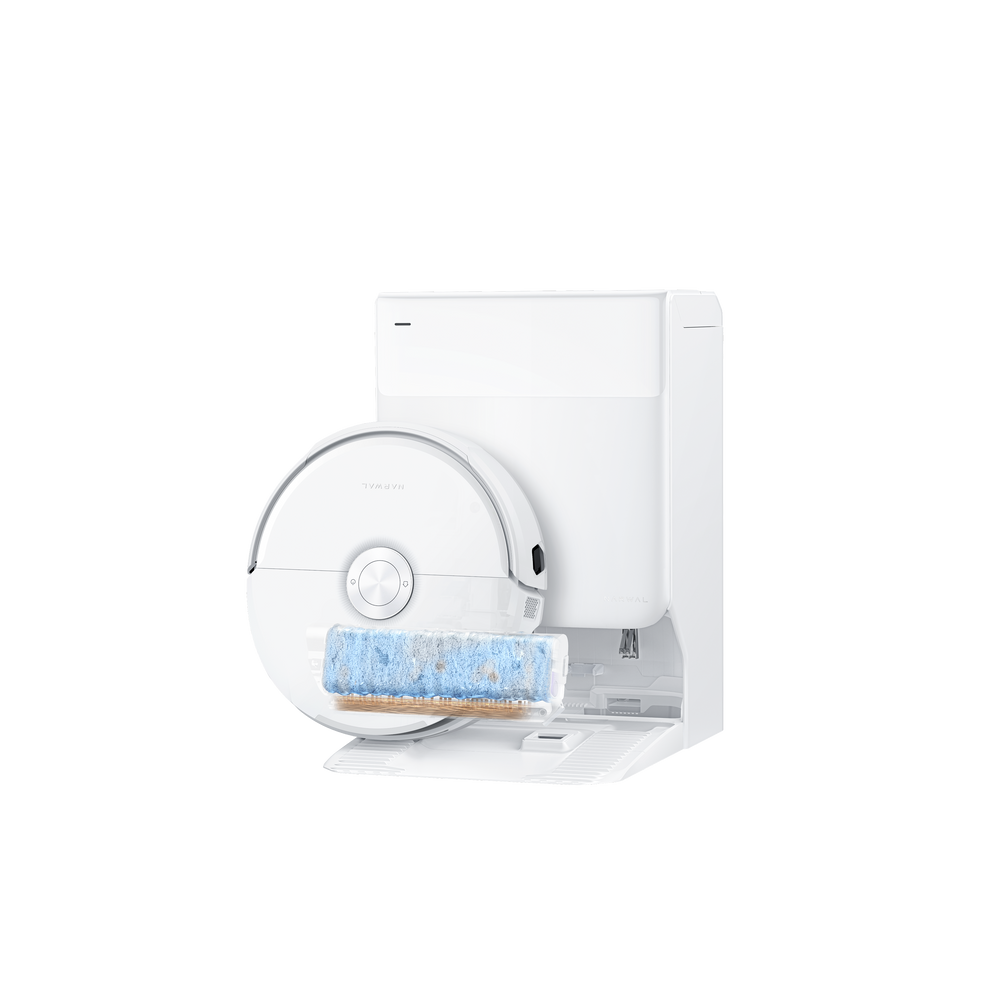
The Narwal Freo 20 Edge Robot Vacuum & Mop is presented by Narwal as a value-line robot vacuum and mop with a dock-based maintenance system. Its product design includes features intended to support fresh-water mopping, edge-area cleaning, and reduced hair buildup around the brush system.
For a household that wants a self-cleaning robot vacuum without moving into a flagship tier, the practical benefits may include:
- Dock-assisted mop washing and drying.
- Automatic dust collection that can reduce how often the onboard dustbin needs to be emptied.
- Vacuuming for routine dry debris and pet hair.
- A mop system designed to refresh during the cleaning cycle.
- Mapping and obstacle-detection features.
- Mop lifting for some mixed hard-floor and carpet routines.
This is a tier to prioritize when convenience matters nearly as much as the initial budget. It can be particularly useful for kitchens, hallways, pet areas, and open hard-floor layouts where visible debris builds up along edges. Carpet thickness, rug construction, and room clutter can still affect results.
Premium Tier: Hot-Water Mopping and Stronger Obstacle Avoidance
Premium robot mops are designed for homes where floor messes are more varied. Think dried coffee near the breakfast table, muddy paw prints, tracked-in debris, long hair, or rooms with toys and charging cables on the floor. The important upgrade is not a larger feature list; it is the potential for fewer interruptions during cleaning.
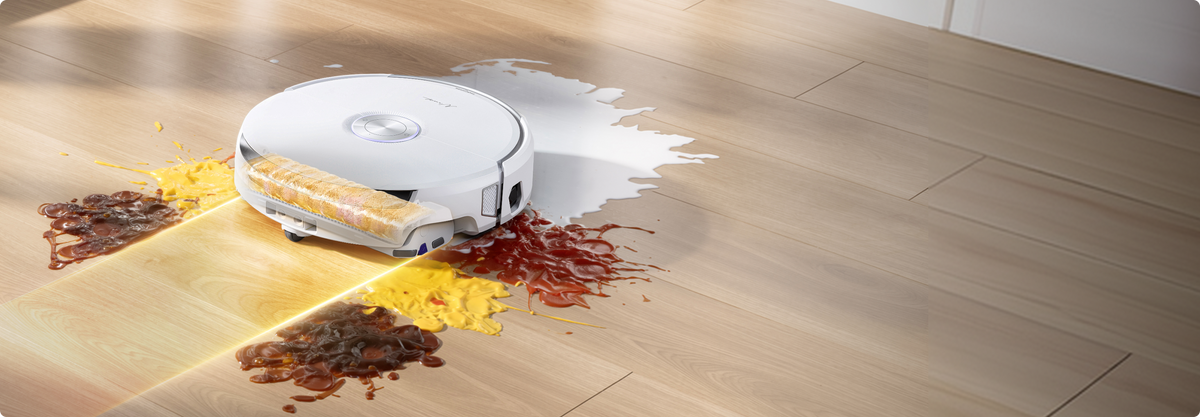
The Narwal Freo 20 Robot Vacuum & Mop is positioned with a track-mop system, edge-cleaning features, obstacle avoidance, and dock-based maintenance functions. Narwal also describes features intended to support cleaning around common household objects and longer intervals between dust-bag changes, although actual intervals depend on cleaning frequency, floor area, and debris volume.
A premium-tier system can be most useful when your cleaning routine includes:
- Regular sticky residue rather than only dry dust.
- Active rooms with shoes, cables, pet bowls, and toys.
- Pets that shed heavily or leave muddy tracks.
- Multiple rooms that need scheduled cleaning several times weekly.
- Hard floors where clean mop water and drying matter more than basic pad mopping.
Routine vacuuming and damp mopping are part of the Environmental Protection Agency’s recommended approach to reducing indoor dust and biological contaminants. These practices are general household-cleaning measures and do not replace ventilation, targeted allergen control, professional remediation, or medical advice. EPA notes that regular carpet vacuuming and damp mopping of floors help limit buildup indoors.
Flagship Tier: Maximum Automation for Active Homes
Flagship models are typically aimed at households that want the robot to adapt to frequent cleaning, changing floor conditions, and more complex home layouts with fewer manual adjustments. The added value may come from more advanced sensing, dock behavior, runtime, and specialized control options.
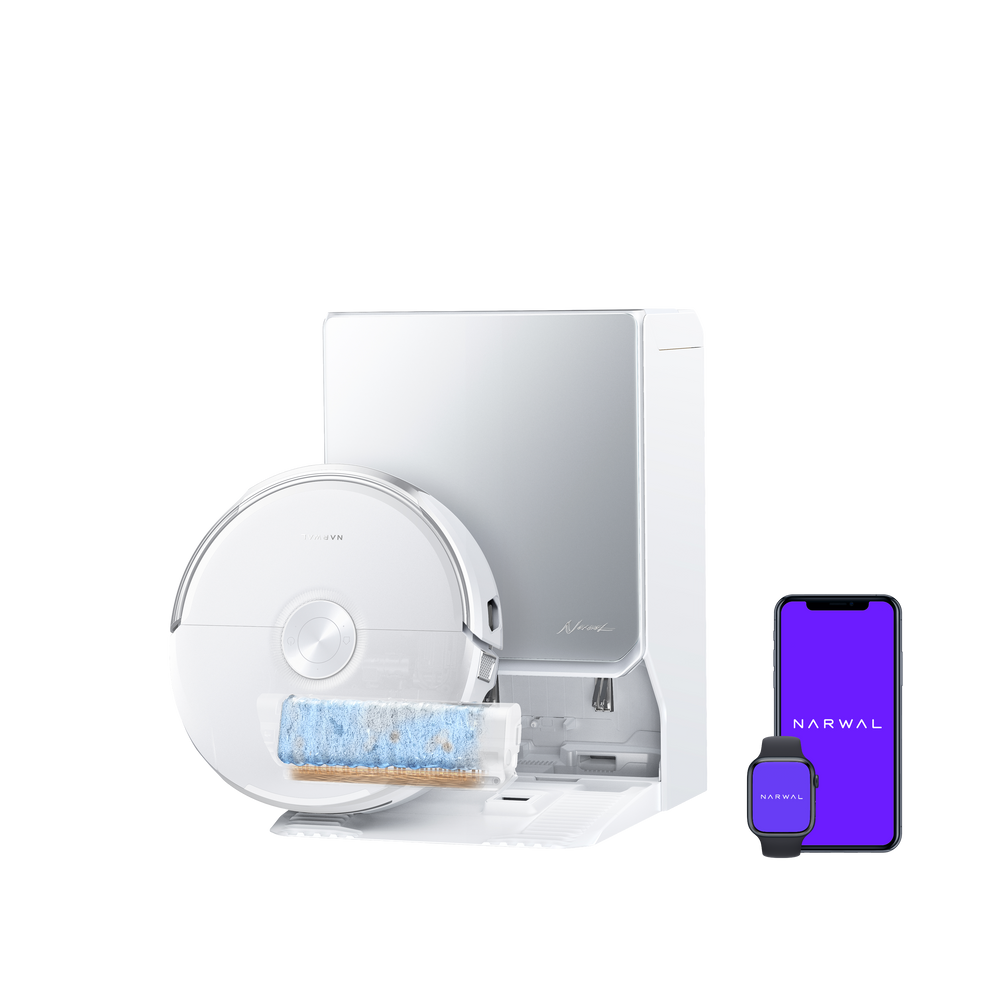
The Narwal Flow 2 Robot Vacuum & Mop is described by Narwal as combining a rolling track mop, adaptive cleaning settings, mop lifting, camera-based sensing, and an onboard water tank. Its dock is designed to support mop washing, dust collection, and drying functions, with behavior varying by the selected cleaning mode and household conditions.
This tier fits homes where the robot needs to do more than follow a simple daily route:
- Larger floor plans with multiple rooms and rugs.
- Frequent cleaning around pets, children, or high kitchen traffic.
- More floor clutter that may benefit from camera-based recognition.
- Carpeted spaces that may benefit from mop lifting and dry pickup.
- Households that want voice control, video functions, and adaptive modes.
The extra capability is most useful when it changes your weekly routine. If your home is mostly tidy, has limited carpet, and needs standard floor maintenance, a mid-range model may offer a more suitable balance of features and cost.
Build a Black Friday Robot Mop Budget Around Maintenance
The most useful budget planning method is to calculate inconvenience, not only purchase cost. A lower-tier robot can be effective, but frequent pad washing and brush cleaning can reduce the time it saves. Meanwhile, a more automated system may make scheduled cleaning easier to maintain over months of real use.
Start With the Tasks You Want Removed
List the floor-care jobs that happen repeatedly. The answer reveals which features deserve a larger share of your Black Friday robot mop budget.
- Dustbin emptying: Auto-emptying matters most for pets, carpet debris, and frequent vacuuming.
- Mop washing: A self-cleaning dock matters most for kitchens, sealed hard floors, and regular wet messes.
- Hair removal: Anti-tangle brushes matter most for long hair and shedding pets.
- Edge cleanup: Extendable mops and reversing side brushes can matter in kitchens, hallways, and along baseboards.
- Obstacle handling: Advanced sensing matters in homes with cables, toys, pet bowls, and shoes.
A feature earns its place in your budget when it solves a problem that appears every week. A feature that rarely changes the cleaning outcome is less important, even if it sounds impressive.
Separate Discount Size From Everyday Value
Black Friday deals can make a higher-tier robot vacuum and mop look unusually close to a lower-tier option. That does not mean both choices create the same ownership experience. The more useful comparison is whether the added feature removes a repeated task from your schedule.
The Federal Trade Commission advises shoppers to compare the full offer, including shipping, fees, seller details, and the terms attached to an advertised deal. That approach is useful for robot mop shopping because bundles, accessories, and dock configurations can differ even when product names look similar.
Use this decision sequence:
- Set a firm spending ceiling.
- Identify the two cleaning tasks you dislike most.
- Choose the tier that automates those tasks.
- Compare the dock, mop system, and brush design before app extras.
- Treat voice control, video, and specialty modes as secondary unless they match your actual household routine.
Include Ongoing Supplies in Your Thinking
A robot mop system uses consumables over time. Dust bags, filters, track mops or pads, side brushes, and cleaning solutions can affect long-term convenience. That does not mean every household needs the largest dock or the most advanced maintenance system.
The key is consistency. A simple robot with manageable upkeep can be better than a sophisticated machine that does not fit your floor type or cleaning habits. However, homes with frequent wet messes may benefit from automatic mop washing and drying because those functions can help keep the machine ready for the next scheduled run.
Black Friday Robot Mop Value by Household Type
Your home determines which robot mop price range makes sense. Floor material, room layout, debris type, and household activity are more important than a generic “best” label.
Small Homes With Light Daily Debris
A smaller home with mostly hard flooring and limited foot traffic can work well with an entry or mid-range robot mop. Basic navigation and scheduled vacuuming may cover routine dust and crumbs, while a self-cleaning dock can be useful when you want to avoid hand-washing pads after each mopping cycle.
The mid-range tier can be a suitable option when space is limited but time is not. A compact cleaning routine may become easier when the dock handles mop washing, drying, and dust collection rather than leaving those steps to you.
Pet Owners and Busy Family Homes
Pet fur, kibble, spilled drinks, and muddy tracks can increase the value of suction, anti-tangle design, fresh-water mopping, and consistent obstacle avoidance. For these homes, the mid-range and premium tiers may offer meaningful convenience gains.
The Freo 20 Edge is positioned around edge-focused track mopping, vacuuming, and dock-assisted maintenance for homes that need regular floor care. The Freo 20 adds its own track-mop, obstacle-avoidance, and dock-maintenance features for households with active or cluttered spaces.
Larger Homes With Frequent Cleaning Cycles
A larger home asks more from navigation, dust capacity, battery management, and mop hygiene. When a robot cleans several rooms repeatedly, small maintenance tasks can add up quickly. This is where a self-maintaining dock and reliable mapping may become more valuable than a basic mopping attachment.
Flagship-level automation can be useful when it replaces a meaningful portion of weekly vacuuming and mopping. Flow 2 is designed for routines that may benefit from camera-based sensing, adaptive track-mop pressure, carpet-related settings, and dock-assisted maintenance features.
A Simple Robot Mop Convenience Comparison
| Buying Priority | Best-Fit Tier | Features That Matter Most | Less Important Features |
|---|---|---|---|
| Light dust in a small home | Entry | Scheduling, mapping, reliable suction | Advanced object recognition |
| Balanced budget and convenience | Mid-range | Self-cleaning dock, auto-emptying, anti-tangle brushes | Specialty camera functions |
| Pets, spills, and hard floors | Premium | Fresh-water mopping, object avoidance, dock-based mop care | Decorative app features |
| Large or active household | Flagship | Advanced sensing, adaptive cleaning, extended dock automation | Basic manual mop attachments |
For shoppers who want a self-cleaning robot vacuum that can support daily floor care without adding a long maintenance routine, mid-range models are often worth comparing. A flagship robot becomes more logical when its extra sensing and automation address missed runs, tangled hair, or frequent interruptions in a particular home.
Best Practices for Choosing a Robot Mop
A successful purchase starts with matching the machine to the parts of cleaning that actually consume your time. The goal is not to buy every available feature. It is to create a dependable routine that continues working after Black Friday ends.
Do
- Prioritize self-maintenance if you mop several times each week.
- Match edge-cleaning features to kitchens, hallways, and baseboard-heavy layouts.
- Choose anti-tangle technology when long hair or pet fur is a regular issue.
- Value mop lifting if rugs sit near hard-floor cleaning zones.
- Select stronger obstacle avoidance for rooms that change throughout the day.
Common Pitfalls to Avoid
- Choosing a robot only because the percentage discount looks large.
- Assuming all mops clean sticky residue equally.
- Ignoring dock size when choosing a placement area.
- Buying camera-based avoidance for an uncluttered home that does not need it.
- Treating suction alone as the measure of cleaning convenience.
Conclusion
The most practical Black Friday robot mop budget is built around recurring maintenance, not around the lowest available price. Entry models automate basic sweeping and light mopping, while mid-range systems can introduce self-cleaning functions that make frequent use easier.
For many households, the mid-range may offer a useful balance of vacuuming performance, dock automation, and mopping support for kitchens, pet areas, and hard-floor traffic. Move into premium or flagship tiers when advanced mopping, obstacle recognition, and broader automation are likely to reduce your weekly cleaning workload.
FAQ
What is a reasonable robot vacuum and mop budget?
A reasonable budget is the amount that removes the maintenance tasks you most want to avoid. Entry models suit light debris and occasional mopping, while mid-range systems may add dock-based washing, drying, and dust handling. Premium and flagship tiers can make more sense when pets, sticky spills, carpets, or changing room layouts create regular cleaning challenges.
Are self-cleaning robot mops worth the added cost?
Self-cleaning robot mops can be worthwhile when washing pads, emptying dustbins, and drying damp mop materials would otherwise interrupt your routine. A dock that washes and dries the mop can help keep the robot ready for scheduled cleaning. The value may rise in homes that mop multiple times per week or deal with pet messes and kitchen spills, provided the system fits the available space and ongoing supply budget.
Which features matter most for pet hair?
Suction, anti-tangle brushes, automatic dust collection, and reliable carpet behavior can matter most for pet hair. A tangle-resistant roller and reversing side brush may help reduce hair buildup and the need for manual cleaning, although results vary with hair length, shedding volume, and cleaning frequency. Obstacle avoidance also becomes more useful when pet bowls, toys, and unexpected floor messes are part of daily life.
Is hot-water mopping necessary for ordinary floors?
Hot-water mopping is not necessary for light dust and routine hard-floor maintenance. It can be more useful when floors often have dried food, oily residue, muddy tracks, or frequent spills. Homes with mostly dry debris can often prioritize self-cleaning mop care and anti-tangle vacuuming first.
Should edge-cleaning features influence the buying decision?
Edge-cleaning features matter when debris gathers along baseboards, cabinets, furniture legs, and hallway walls. Some round robots may have cleaning-coverage limitations along walls and in right-angle corners. An extendable mop and active side-brush system can be helpful in kitchens and open hard-floor rooms where edge debris remains visible, depending on the brush design, mop extension, room layout, and floor debris.


