




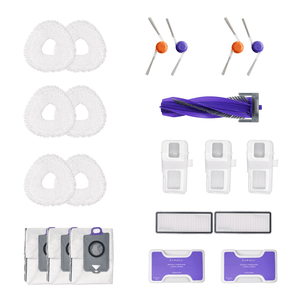
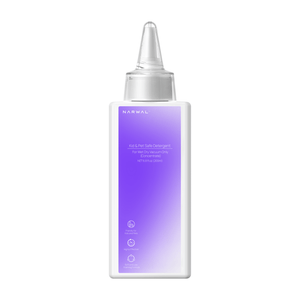




Yes, you can use cleaning solution in some robot mops—but only if your model explicitly allows it and the formula is designed for robotic cleaning systems. Using the wrong liquid can cause foam, residue buildup, clogs, sensor issues, and even warranty problems.
This guide explains what cleaning solutions are generally safe for robot mops, which liquids to avoid, and how to check whether a cleaner is compatible with your specific model. If you are unsure, the safest option is to follow your user manual or use water only until your manufacturer says otherwise.
Can You Use Cleaning Solution in a Robot Mop?
Some robot mops and robot vacuum and mop combos can use cleaning solution, but only if the manufacturer explicitly allows it for that specific model. If your manual does not clearly say so, water only is usually the safest option.
It is also important to remember that a cleaner can be safe for your floors without being safe for the robot itself. A liquid that works well for manual mopping may still cause problems inside a robotic vacuum or robot vacuum and mop combo.
That is why you should never assume that every robot cleaner with a mopping function supports an added cleaning solution. Always follow the guidance for your specific model before adding anything other than water.
Why Do Robot Mops Need Special Cleaning Solutions?
Robot mops need special cleaning solutions because they do not use liquid the way a regular mop does. In manual mopping, the cleaner is applied directly to the floor and spread by hand. In a robot mop or robot vacuum and mop, the liquid has to move through a controlled delivery system before it reaches the pad or roller.
That difference matters. A robotic mopping system often depends on small pumps, narrow liquid pathways, seals, and sensors to control how much liquid is released and when it is released. Because the system is more controlled, it is also less tolerant of liquids that behave unpredictably inside the machine.

This is why the formula matters. A cleaner made for manual mopping may still be a poor fit for a robot cleaner if it creates too much foam, flows unevenly, or leaves behind buildup. In manual cleaning, that may only affect the floor. In a robotic system, it can also affect how the machine delivers liquid over time.
In other words, robot mops need special cleaning solutions because the cleaner has to work with the machine, not just the floor. A product can be safe for the surface you are cleaning and still be the wrong match for a robotic liquid system.
What Cleaning Solutions Are Safe for Robot Mops?
A cleaning solution is generally safe for a robot mop only if the manufacturer allows it for your specific model. In most cases, the safest options are low-foam, residue-free formulas made for robotic cleaning systems.
Before using any cleaner, check for these signs:
-
The manual explicitly allows it: If your robot mop or robot vacuum and mop does not clearly support cleaning solution, do not guess.
-
It is made for robotic cleaning systems: A cleaner designed for manual mopping may still be unsuitable for a robot cleaner.
-
It is low-foam: Excess foam can create problems inside the machine and reduce cleaning consistency.
-
It is residue-free: Heavy residue can leave floors sticky, cause streaks, and increase maintenance.
-
It is safe for your floor type: A cleaner should be compatible with both the machine and the surface you are cleaning.
If you are not completely sure a cleaner is compatible, water only is usually the safer choice. It may be less aggressive, but it is often better than using the wrong liquid and creating avoidable problems.

What Cleaning Solutions Should You Avoid in a Robot Mop?
You should avoid any cleaning solution that is not clearly compatible with your robot mop or robot vacuum and mop. Many household cleaners work well in manual mopping, but that does not mean they are safe for a robotic system. A familiar cleaner can still be the wrong fit if it creates too much foam, leaves residue, or is simply not made for controlled liquid delivery inside the machine.
Can You Use Dish Soap in a Robot Mop?
No, dish soap is not a good choice for a robot mop because it can create too much foam inside the machine. Many people think a small amount should be fine, especially for greasy kitchen floors. The problem is that even a little dish soap can create more foam than a robotic system is designed to handle.
Too much foam can make liquid delivery less consistent and may lead to extra cleanup or maintenance over time. The safer approach is to avoid dish soap unless your manufacturer clearly allows it. If your manual does not mention it, use water only or a cleaner made for robotic cleaning systems.
Can You Use Vinegar in a Robot Mop?
Vinegar is usually not the safest choice for a robot mop unless your manufacturer clearly says it is allowed. Many people like vinegar because it is inexpensive, easy to find, and often described as a natural cleaner. That does not automatically make it a good match for a robot mop or robot vacuum and mop combo.
The main concern is that vinegar is acidic. That may not be ideal for repeated use in a robotic liquid system, and it may also be a poor fit for some floor finishes. The safer approach is to avoid vinegar unless your manual explicitly allows it for your model.
Can You Use Bleach in a Robot Mop?
No, bleach should not be used in a robot mop because it is too harsh for routine use in a robotic cleaning system. Some people think bleach means a deeper or more sanitary clean, especially in kitchens or bathrooms. But a robot cleaner is not designed for that kind of household chemical.
Bleach can be too aggressive for internal parts and too harsh for some floor surfaces. It is not a typical cleaner for controlled daily mopping inside a robotic system. If you want a stronger cleaning result, follow your manufacturer’s guidance instead of adding bleach to the tank.
Can You Use Disinfectant in a Robot Mop?
Household disinfectant is usually not a safe choice for a robot mop unless the manufacturer explicitly allows it. Many people reach for disinfectant because they want a more hygienic clean, especially in homes with kids or pets. The issue is that most disinfectants are not made for robotic liquid systems.
They may contain stronger active ingredients, added fragrance, or other components that are not ideal for repeated circulation inside the machine. The safer approach is to use only solutions that are clearly approved or designed for robot mops, not general household disinfectants.
Can You Use Regular Floor Cleaner in a Robot Mop?
Not always. Regular floor cleaner is not automatically safe for a robot mop just because it is made for floors. This is one of the most common assumptions people make. If a cleaner works for manual mopping, it may seem like the obvious choice for a robot vacuum and mop.
The problem is that many floor cleaners are made for open, manual use rather than controlled robotic delivery systems. They may behave differently once they move through the machine. Safe for the floor does not always mean safe for the robot. Before using any regular floor cleaner, check whether your manual clearly allows it for your specific model and whether you can use other floor cleaners safely.
What Happens If You Use the Wrong Cleaning Solution?
Using the wrong cleaning solution in a robot mop can cause problems in several areas, including liquid flow inside the machine, the appearance of the floor, and the long-term performance of the robot. In many cases, the impact is not immediate, but over time, it can lead to maintenance issues and reduced efficiency.

Can the Wrong Cleaner Cause Foam or Clogs?
Yes. The wrong cleaner can cause too much foam or leave buildup that affects how liquid moves through the machine. Foam is a major issue because robot mops rely on a controlled liquid delivery system. Even a small amount of foam can disrupt the flow of liquid inside the system, leading to inconsistent cleaning results.
If the cleaner leaves behind residue or buildup, it can clog the machine’s internal parts, like the pump and tubes. This not only affects cleaning consistency but may also require more frequent cleaning and maintenance of the robot mop, including tasks like learning how to open and replace a vacuum cleaner dust bag when your model uses one. The safer approach is to use low-foam, residue-free cleaning solutions specifically designed for robotic systems.
Can the Wrong Cleaner Leave Floors Sticky or Streaky?
Yes. The wrong cleaner can leave floors sticky or streaky due to residue left behind after mopping. Some cleaners, even though they are safe for floors, may leave behind a thin layer of residue that causes the floor to feel sticky or appear streaky once it dries.
In a robot mop, this issue is more pronounced because the cleaning solution is spread evenly across the surface, and any leftover residue can affect the floor's finish. To avoid this, always use a cleaning solution that is residue-free and specifically designed for robot mops.
Can the Wrong Cleaner Damage Your Robot Mop or Affect Your Warranty?
Yes. The wrong cleaning solution can increase the risk of damage to your robot mop and may affect your warranty. Many robot mop manufacturers recommend using only specific cleaning solutions to ensure the machine operates properly. If you use a solution that is not approved, you might cause internal wear or clog the system, which could lead to performance issues over time.
Additionally, some manufacturers might void the warranty if damage is linked to the use of unapproved cleaning solutions. To avoid voiding your warranty and protect your robot mop, always use the cleaning solutions recommended in your user manual.
What Should You Do If You’re Not Sure What to Use?
If you are not sure what to use in your robot mop, do not guess. Follow these steps before adding anything to the tank.

Step 1: Check the user manual: Look for any guidance about cleaning solution, detergent, floor cleaner, or mopping liquid. If your robot mop, robot vacuum and mop, or robot vacuum and mop combo clearly allows a cleaner, follow those instructions first.
Step 2: Look for model-specific guidance: Check the brand’s support page, FAQ, or product help center for your exact model. This matters because two robot cleaners from the same brand may not handle cleaning solutions the same way.
Step 3: If it is still unclear, use water only: If you still cannot confirm compatibility, water only is usually the safer choice. It may be less aggressive, but it is often better than using the wrong cleaner and creating avoidable problems.
Step 4: Do not test DIY mixtures: Do not experiment with vinegar, dish soap, essential oils, or regular household floor cleaner unless your manufacturer clearly says they are allowed. A cleaner that works in manual mopping may still be the wrong fit for a robotic liquid system.
Step 5: If you already added the wrong liquid, stop and clean the washable parts: Empty the tank or detergent compartment, rinse any washable parts your model allows you to clean, and check the manual for the next step. If your manufacturer recommends it, run clean water through the system before using the robot again. If the robot still does not work normally, check how to reset a robot vacuum cleaner before contacting support.
The safest rule is simple: when in doubt, confirm first and keep it simple. In most cases, that means checking your model guidance and using water only until you know exactly what your robot cleaner supports.
FAQs
Can You Use Only Water in a Robot Mop?
Yes. Water only is often the safest choice when compatibility is unclear. It may not deliver the strongest cleaning result, but it is usually better than adding the wrong liquid to the tank.
Do All Robot Mops Support Cleaning Solution?
No. Not all robot mops support added cleaning solution. Some models are designed to use water only, while others allow specific formulas. Always check the guidance for your exact model before adding anything other than water.
What Cleaner Can You Safely Use in a Robot Mop?
The safest cleaner is one that your manufacturer explicitly allows for your specific model. In general, that means a formula made for robotic cleaning systems that does not create excess foam or leave heavy residue.
Can Cleaning Solution Void a Robot Mop Warranty?
Yes, it can if the damage is linked to a cleaner that your manufacturer does not approve. Warranty terms vary by brand and model, but using an unapproved liquid can make coverage more complicated if it affects how the machine performs.
What If Your User Manual Does Not Mention Cleaning Solution?
If your user manual does not mention cleaning solution, the safest approach is usually to use water only. Do not assume a household cleaner is compatible just because it works for manual mopping. If needed, check your brand’s support page for model-specific guidance.
Use the Right Cleaning Solution for Your Robot Mop
Not every cleaner is safe for a robot mop. The right choice depends on model compatibility, a low-foam formula, and a cleaner that will not leave heavy residue behind. If you are not sure what your robot supports, the safest move is to follow the user manual or manufacturer guidance.
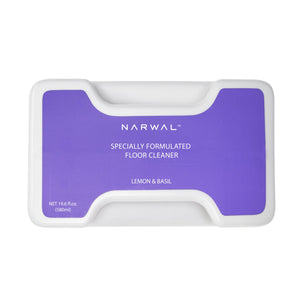
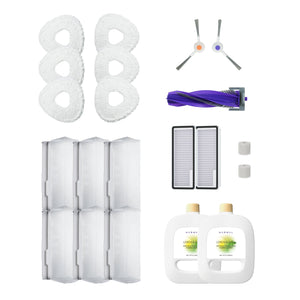
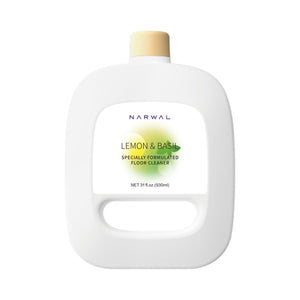
For Narwal users, that means checking the guidance for your exact model and choosing a solution designed for Narwal’s mopping system. The right formula helps protect cleaning performance and reduce avoidable maintenance. Explore Narwal’s recommended cleaning solution options for compatible models.

