




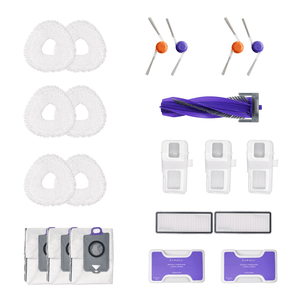
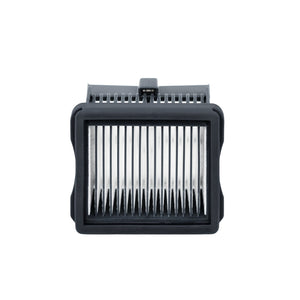
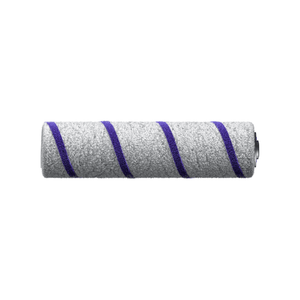




You don’t vacuum anymore—but maintenance still pulls you back in.
Dirty water, wet mop pads, and a base station that needs cleaning remain part of everyday robot vacuum use. For many users, even a self-emptying robot vacuum doesn’t feel truly hands-free.
Refilling water, managing dirty tanks, and relying on basic self-cleaning functions like mop washing still require attention throughout the cleaning process. That’s the gap self-cleaning base stations are designed to close.
Narwal’s all-in-one base station goes beyond both self-emptying and basic self-cleaning. It focuses on full-cycle self-maintenance—automating water management and mop care before, during, and after cleaning—so the entire process runs with minimal manual effort.
In this article, we’ll break down where hands-on work still exists in robot cleaning and how Narwal’s self-maintenance base station removes those steps from start to finish.
What is Narwal’s All-in-One Self-Maintenance Robot Vacuum Base Station?

An all-in-one self-maintenance base station goes beyond self-cleaning and self-emptying. It is a central system that takes care of robot vacuum maintenance during the entire cleaning process. In simple terms, it lets the robot clean without you needing to step in. It allows you to be completely hands-off during the entire cleaning cycle. You barely notice it working, yet your floors remain consistently clean. Whether it’s a busy morning before work or winding down after a long day, the system takes care of everything automatically—so you can focus on your day, not the cleaning.
Unlike a basic charging dock station, it handles the work that usually happens before, during, and after cleaning. The robot stays charged, clean, and ready to run, while the system manages upkeep in the background.
Most all-in-one base stations combine several functions in one unit. These include automatic charging, debris handling, mop washing and drying, clean water refilling, and dirty water collection. Larger tanks and storage allow the robot to clean repeatedly without daily attention and reduce how often to clean a robot vacuum between runs.
Narwal’s All-in-One Base Station Automates Every Maintenance Step
- Self-Emptying Dust Tank: Automatically collects and stores debris, reducing dust handling to just a few times per year.
- Self-Cleaning Mop Pads: Automatically washes and dries the mop during and after cleaning, preventing odors and bacterial growth.
- Automated Water Management: Handles clean water refilling and dirty water disposal without any manual input.
- Dirt Detection & Managed Cleaning: Smart sensors detect heavily soiled areas and adjust cleaning parameters, performing re-cleaning as needed.
- Hygiene-Focused Design: UV treatment, silver-ion compartments, and optimized air flow ensure dust and water paths remain sanitary.
The all-in-one base station transforms your robot vacuum into a fully autonomous cleaning hub. It’s not just about doing less work—it’s about removing yourself from the process entirely, while keeping floors consistently clean, hygienic, and fresh.
Where Traditional Robot Cleaners Still Require Hands-On Work

Even today, many traditional robot vacuum and mop systems don’t eliminate maintenance—they shift it to the user.
While the robot handles the cleaning path, users are still involved at several key points in the mopping process. These hands-on moments repeat over time and are what often break the “hands-free” promise.
The table below shows where traditional cleaning setups typically require manual effort. It also explains how an all-in-one self-maintenance base station is designed to remove those steps.
|
Cleaning stage |
Common issue in traditional robots |
What the user has to do |
How a self-maintenance base station helps |
|
Before mopping starts |
Water tank is empty or cleaner isn’t added |
Manually refill water and add cleaning solution |
Automatic water refill and drainage, plus automatic cleaner dispensing |
|
During mopping |
Mop pads get dirtier over time |
Pause cleaning to rinse or wash the mop pads |
Automatic mop washing during the cleaning process |
|
Re-clean / second pass |
Water runs out or cleaning must be restarted |
Restart the job and refill water manually |
Managed cleaning with dirt detection and automatic water management |
|
After mopping ends |
Damp mop pads lead to odors and bacteria |
Hand-wash and air-dry mop pads |
Automatic mop drying to reduce moisture and odors |
|
After repeated use |
Dirty water residue causes lingering smells |
Clean water tanks, ducts, and internal parts |
Hygiene-focused system design (anti-bacterial mop materials, anti-bacterial dust bag, dust-bag air drying, hot-water mop washing, electrolyzed water on some models, and optimized collection pathways) |
These touchpoints show a clear pattern in traditional robot vacuum and mop systems. The robot can move and clean on its own. But maintenance is still part of the process. Water management, mop cleanliness, drying, and odor control all pull the user back in at different stages.
This is why many traditional robot cleaners still require hands-on involvement in daily use. All-in-one self-maintenance base stations are designed to handle maintenance as one complete system, rather than a series of separate tasks.
How Narwal’s All-in-One Base Station Keeps the Entire Cleaning Process Hands-Free
Narwal treats hands-free cleaning as a system, not a single feature. Its all-in-one base station covers six key areas across the cleaning cycle. These include water management, mop care, dirt sensing, dust collection, and hygiene. Together, they remove the need for user involvement at different stages.
1. Auto Water Refill and Drain System

Pioneered by Narwal, the automatic water inlet and drainage system enables fully hands-free station maintenance. By using an integrated water pump for fresh water intake, along with an air valve and air pump–driven drainage system, the self-cleaning base station automatically refills clean water and discharges dirty water without manual intervention.
Narwal also improved how water intake is controlled. In both the 4.0 and 5.0 generations, the water inlet control was upgraded from a traditional solenoid valve to a mechanical valve, improving long-term stability and reliability. The 5.0 system further introduces an independent silver ion module and performs an additional flush of the wastewater tank after the final mop-washing cycle of each task, helping reduce residue buildup and odors while maintaining a cleaner, more hygienic water system.
2. Automatic Floor Cleaner Dispensing for Mop Washing

Many Narwal users have babies or young children. They want floors to stay clean every day, not just after a deep clean. In that kind of home, mop hygiene matters. So does using the right amount of cleaner—without turning it into another task.
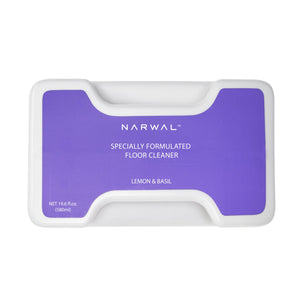
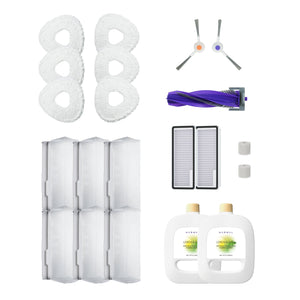
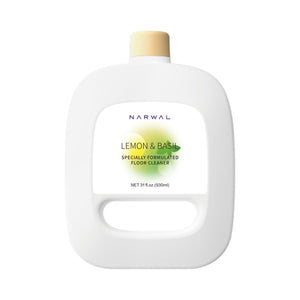
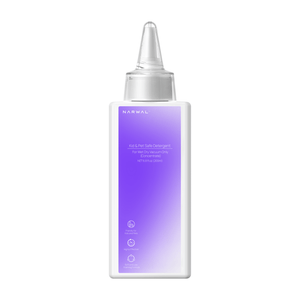
Narwal’s base station includes a dedicated space to install floor cleaner. The station can also detect whether the cleaner is installed. This helps prevent “water-only” washing by mistake and keeps the mop-washing process consistent.
During mop washing, the station automatically dispenses cleaner in a controlled amount. The dosage is adjustable and managed by the system. That keeps the cleaner-to-water ratio stable from run to run. For users, this removes guesswork. You don’t have to measure, pour, or remember when to add cleaner.
The benefit is simple and practical. Mop pads get washed with the right mixture each time. Cleaning performance stays consistent. And your floors can stay fresh with less effort—especially in homes where spills and messes happen every day.
3. Smart Hot-Water Mop Washing and Gentle Mop Drying
One of the biggest limits of traditional robot mopping is the mop itself. As the pad gets dirtier, cleaning performance drops. If the mop isn’t washed and dried properly, odors and bacteria can build up over time.
Narwal addresses this with smart hot-water mop washing paired with gentle warm-air drying, designed to keep the mop clean throughout daily use.
The washing process follows a three-step, science-based flow.
Step 1: The mop is first soaked and pre-washed with 45°C warm water. Warm water increases molecular movement, which helps loosen oily residue faster. It also relaxes the surface fibers of the mop, allowing water and cleaner to penetrate deeper into the fabric and improve stain removal.
Step 2: The system then adjusts the wash temperature based on input from DirtSense. For regular dirt, the wash stays at 45°C. If DirtSense detects heavier, non-starch-based grease, the system raises the temperature to 60°C. This improves cleaning power while avoiding issues like starch thickening and unnecessary energy use.
Step 3: Before drying, the mop goes through a final hygiene-focused rinse. At the end of the cleaning cycle, the already-clean mop is washed with 75°C hot water. This low-temperature sanitation step, similar in concept to pasteurization, helps reduce bacteria before drying begins.
Step 4: After washing, the base station dries the mop using 40°C warm air. The heat is controlled and gentle. It removes remaining moisture, helps prevent odors, and supports bacterial control. At the same time, the mop fibers regain their softness and structure, which helps maintain cleaning performance for the next run.

4. Managed Cleaning (“Whale” Managed Mode) and DirtSense™ Smart Dirt Detection
Narwal’s managed cleaning is designed to let the robot respond to dirt on its own, without waiting for user instructions. Powered by DirtSense™, detection and response happen within the same cleaning task, allowing the system to adjust continuously as conditions change.
Particle-based dirt detection: As the robot cleans, a built-in piezoelectric sensor monitors particles passing through the system. By reading vibration signals, the sensor estimates particle size and density. This enables the robot to distinguish between light dust, heavier debris, and areas with unusually high dirt levels.
Automatic adjustment of cleaning parameters: Once differences in particle load are identified, the robot adjusts its cleaning parameters accordingly. Suction strength and water output change in real time, and floor material is taken into account. Instead of relying on one fixed setting across the home, the system adapts to current floor conditions to improve cleaning effectiveness.
Adaptive handling during vacuum-and-mop cleaning: During combined vacuum-and-mop tasks, DirtSense™ monitors for excessive particle levels. When the detected load is too high, the robot adjusts its cleaning behavior to reduce cross-contamination. Loose debris is handled more carefully before wet mopping continues.
Targeted path-based re-cleaning: When certain paths are identified as dirtier than others, the robot performs targeted re-cleaning in those areas. Using particle data together with floor type, the system determines where an additional pass is needed. This improves cleaning results without requiring the user to restart the task.
Reduced user involvement through continuous adaptation: All detection, adjustment, and re-cleaning actions take place within a single managed cleaning cycle. Users do not need to monitor progress, switch modes, or issue follow-up commands. The system detects dirt, adapts automatically, and focuses extra effort where it is needed.

5. Narwal’s Health-Focused, Low-Noise Dust Collection System
Self-emptying robot vacuums and auto-empty stations are common, but the same problems remain. They are often loud, struggle with wet debris, clog easily due to narrow airflow paths, and can develop mold and odors over time. Narwal addressed these issues through years of focused research, resulting in a health-focused, low-noise dust collection system built for long-term, hands-off use.

Industry-First Maintenance-Free Dust Container
Over time, dust containers accumulate dust, hair, and residue, especially in hard-to-reach areas. As cleaning becomes more difficult, maintenance is often neglected, leading to mold and unpleasant odors.
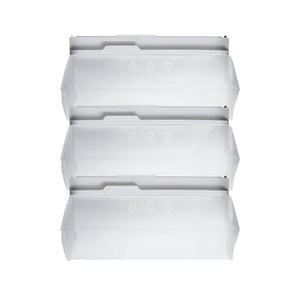
To solve this problem, the Narwal Freo series was specifically designed with the industry’s first maintenance-free dust container. The dust container is redesigned by separating the inner liner, which comes into direct contact with debris, from the outer shell. The inner liner is made from environmentally friendly materials and is designed to be removed and replaced, not washed.
After a period of use, users simply remove the inner liner and replace it with a new one. There is no need to scrub the container, and there is no direct contact with dirt at any stage. As a result, maintenance effort is reduced to nearly zero, while long-term hygiene is easier to maintain.

Antibacterial Dust Collection, Dust Bag Drying, and UV Hygiene
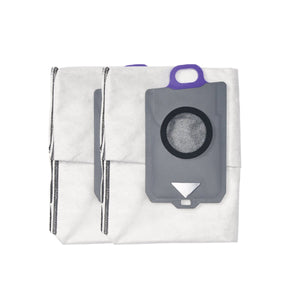
Narwal uses a 2.5L dust bag with multiple antibacterial treatments. In typical daily use, the dust bag only needs to be replaced about three times per year.
Key dust collection features include:
- Active drying after each cleaning: After each cleaning cycle, the system dries the dust container to keep debris dry before collection. This prevents damp debris from sticking inside the container or contaminating the dust-collection duct, helping reduce residue buildup in hard-to-reach areas.
- Low-resistance, energy-efficient dust collection: The dust-collection duct is wider and straighter, reducing airflow resistance by up to 80% at the same airflow level. Lower resistance helps prevent clogs and reduces the power required during dust collection.
- Low-noise dust emptying: A custom high-efficiency, low-noise dust-collection fan, combined with vibration-isolating polymer materials, reduces operating noise. As a result, dust collection noise can be as low as 71 dB, making emptying less disruptive in daily use.
- UV and warm-air antibacterial treatment: After dust is collected, the dust bag receives dual antibacterial treatment. UV light treats bacteria and fungi inside the bag, followed by drying with 45°C warm air, maintaining a dry, antibacterial environment. The antibacterial rate reaches up to 99.95%, with TÜV Rheinland certification reporting 99.9%.

Dry-First, Then Collect: A Designed Drying-to-Collection Path
Over time, dust collection ducts can accumulate dust and hair, especially when debris is damp. Because these ducts are hidden inside the base station, they are difficult for users to clean, which can lead to odors, mold, or blockages.
To address this, the Narwal Freo series uses a dry-first, then collect dust collection path. Simply put, debris is dried before it enters the dust collection duct.
After cleaning, the robot first dries the dust container. Dust collection begins only once the debris is dry, reducing the chance of debris sticking to the duct walls and helping keep the airflow path clean over time.
The duct itself is also optimized with a more direct, low-resistance airflow path and built-in noise reduction, which can help reduce how often users need to maintain the robot vacuum filter. Compared with leading industry designs, dust collection noise is reduced by 6–8 dB, with everyday operation as low as 71 dB.

6. Full Water-Path Hygiene Protection
Water is constantly moving through a robot mop system. It flows through clean water lines, mop pads, wash trays, and dirty water channels. Over time, this makes the water path one of the hardest areas to keep clean.
Narwal addresses this with a dual water-path hygiene system, designed to suppress bacteria both continuously and in real time. One part of the system uses silver-ion modules. These modules slowly release silver ions to help inhibit bacterial growth over time. They can be placed in the clean water tank or within the water exchange module, providing long-lasting protection without requiring user intervention.
At the same time, Narwal uses flow-through electrolyzed water treatment. Before mop washing begins, clean water passes through an electrolysis module, where antibacterial ions such as hypochlorite are generated in real time. This treated water then flows through the entire system—from clean water lines to mop pads, wash trays, dirty water channels, and the dirty water tank—helping achieve full water-path hygiene.
Because the system uses only water as its input, without adding chemical disinfectants, it is especially suitable for households with babies or pets.

Future Trends in All-in-One Base Stations
All-in-one base stations are becoming smarter and more independent. In the future, they won’t just support the robot—they will manage most of the cleaning process on their own.
More direct water connections. Future base stations are expected to move beyond removable water tanks. More models will likely connect directly to home plumbing. This allows continuous clean and dirty water exchange and reduces manual refilling.
Smarter mop care and hygiene. Mop management will become more advanced. Base stations will wash mops more thoroughly, use higher temperatures, and add sterilization steps. Some systems may also handle different mop pads for different floor types, without user input.
Higher levels of automation. Base stations are moving toward full self-management. Dust emptying, detergent dispensing, mop washing, and drying will increasingly happen automatically. For users, this means fewer steps and less daily attention.
Deeper smart home integration. Future systems will connect more closely with smart home platforms. Voice control and automated routines may trigger cleaning based on schedules or home activity, making cleaning part of everyday home automation.
Smarter dirt detection and response. Dirt sensing will continue to improve. Robots will better identify dirty areas and adjust cleaning intensity on their own. This reduces the need to restart jobs or change settings manually.
Overall, the trend is clear. All-in-one base stations are becoming self-managing cleaning hubs. They will require fewer touchpoints, make more decisions automatically, and stay out of the user’s way as much as possible.

FAQs About Robot Vacuum Base Station
What types of robot vacuum base stations are available?
Robot vacuum base stations typically come in three types. A basic charging dock only recharges the robot. A self-emptying station automatically disposes of dust, which is why many shoppers start by comparing the best self-emptying robot vacuum before moving up to multi-function systems. A multi-function base station handles charging, dust emptying, and mop care for a more hands-free setup.
How do I choose the right robot vacuum base station for my home?
Choose a base station that fits your space and daily routine. Place it in an open area with stable Wi-Fi so the robot can dock reliably. Then decide how much maintenance you want to handle, from basic charging to automated dust emptying and mop care. Reliable navigation ensures the robot can always return to the base and clean your home efficiently.
Is a robot vacuum better with or without a dock?
A robot vacuum can work without a dock beyond charging, but it won’t be hands-free. Without an all-in-one dock, users still need to empty dust, wash mop pads, refill water, and manage odors manually. A dock turns the robot into a system, not just a device.
Can I put detergent in a robot vacuum?
Only if the system is designed for it. Some all-in-one base stations have dedicated detergent compartments and controlled dispensing. Adding detergent to unsupported tanks can cause residue buildup or damage. Always follow the manufacturer’s instructions.
Conclusion: A Simpler Way to Stay Hands-Free
For many homes, robot cleaning still means work. You refill water. You wash mop pads. You empty dust. Over time, those small tasks add up. A self-maintaining all-in-one base station changes that. It handles water, mop care, dust, and hygiene as one system. Cleaning runs without daily preparation or follow-up.
If you want cleaning to feel less like something you manage—and more like something that just happens—Narwal is worth a closer look. Narwal focuses on removing maintenance from the entire cleaning cycle, so floors stay clean while you stay hands-free.
Explore Narwal’s all-in-one cleaning systems and see how hands-free cleaning can fit into your daily life.


